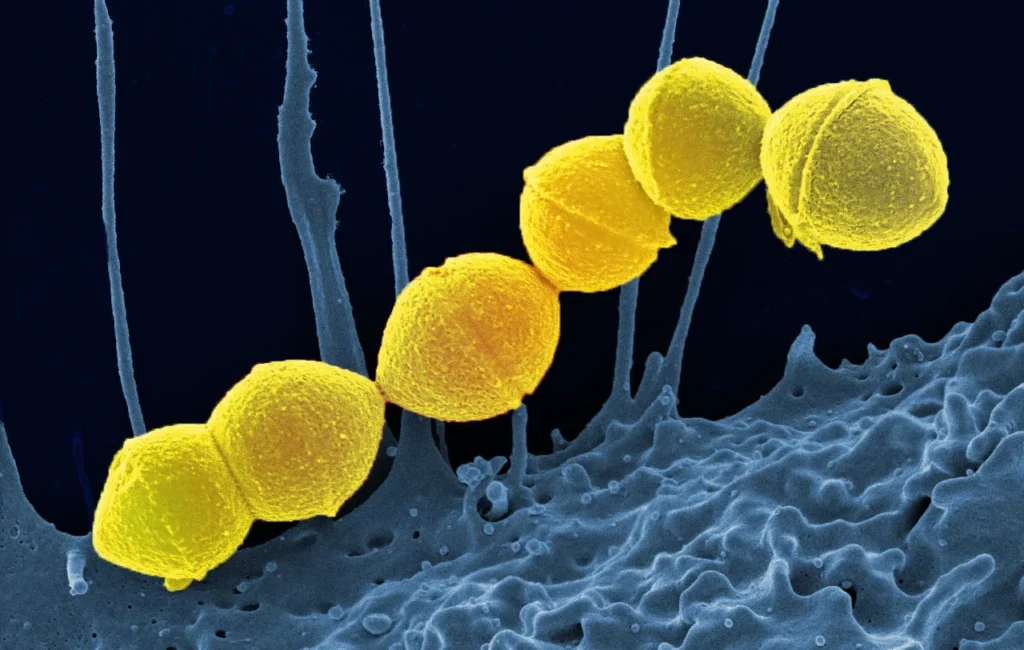
In the first six months of 2024, Japan reported over 1,000 cases of streptococcal toxic shock syndrome (STSS), a staggering number that surpasses the total cases recorded last year. This alarming rise in STSS, a severe illness caused by the bacterium Streptococcus pyogenes (group A streptococcus), raises serious public health concerns.
STSS can be deadly, with the National Institute of Infectious Diseases reporting 77 deaths by March. The bacterium, notorious for its flesh-eating capabilities, can invade the blood and deep tissues, leading to rapid and severe symptoms including fever, chills, muscle aches, nausea, and vomiting. Within 24 to 48 hours, patients can experience a sudden drop in blood pressure, organ failure, and a rapid heart rate and breathing. Immediate medical intervention is crucial, involving antibiotics, surgery, or intravenous fluids.
The surge in STSS cases in Japan is baffling experts. While some suggest the relaxation of COVID-19 measures might be a factor, the precise cause remains elusive. This uncertainty underscores the need for intensified research and monitoring. Public health authorities must prioritize identifying the outbreak’s root causes to prevent further spread.
This situation serves as a stark reminder of the ever-present threat posed by infectious diseases. Despite advancements in medical science, bacteria like Streptococcus pyogenes continue to challenge our healthcare systems. The global community should heed Japan’s experience and bolster its own preparedness for such outbreaks.
In conclusion, the rise of STSS in Japan is not just a local issue but a global health warning. Vigilance, research, and robust public health strategies are essential to combat this deadly threat and protect populations worldwide.
Source: https://www.independent.co.uk/news/health/stss-japan-flesh-eating-bacteria-b2566698.html
Leave a Reply